
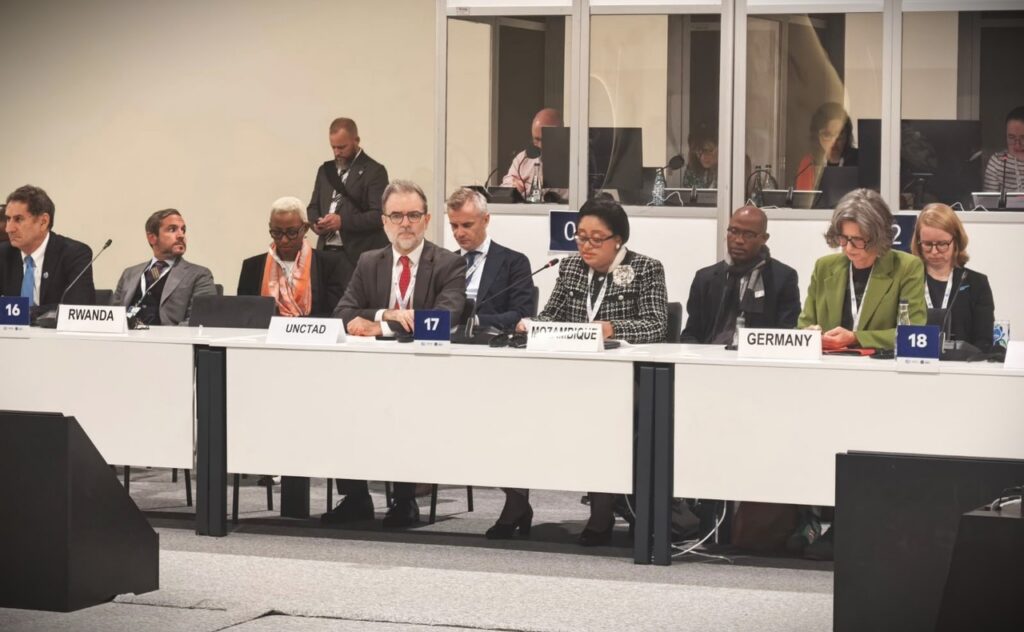
The Mozambican government has advocated for sustainable financing to enhance and modernise electricity networks, aiming to accelerate universal energy access and improve living conditions while ensuring public debt sustainability. The call came during the 31st United Nations Climate Change Conference (COP31), held on 12 November in Antalya, Turkey.
Speaking at the launch of the Global Grids Accelerator—a UN initiative designed to advance the development of electricity grids—Finance Minister Carla Loveira articulated the need to transform Mozambique’s significant hydropower, solar, and wind potential into tangible benefits for its citizens through robust investments in energy infrastructure.
The government reiterated its commitment to achieving universal electricity access by 2030, backed by the National Energy for All Programme, the Mission 300 initiative, and the implementation of the National Energy Pact. This strategy combines the expansion of the conventional electricity grid with off-grid solutions, particularly targeting rural communities and regions away from major urban centres.
Expanding energy access is expected to have a direct positive impact on the lives of Mozambicans, enhancing the operational capacity of health facilities, improving educational conditions in schools, creating job opportunities, and fostering the development of small and medium enterprises.
Moreover, increased electricity availability will stimulate agricultural, industrial, and commercial activities, thus contributing to higher national production levels and increased household incomes.