
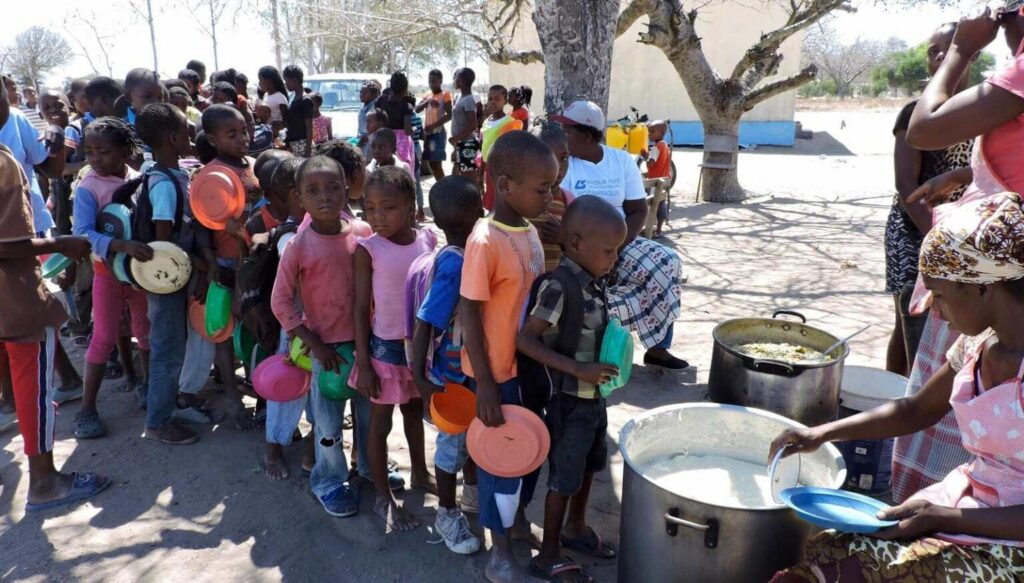
Chronic malnutrition affects 37% of Mozambican children under the age of five and is linked to 18% of school repetitions, according to an official report. These statistics are part of the National School Feeding Strategy (ENAE) 2026-2035, which was approved by the government, outlining guidelines for school feeding policy over the next decade and highlighting child nutrition as a critical challenge facing the country.
Government data indicates a gradual reduction in chronic malnutrition over the past two decades, decreasing from 48% in 1999/2000 to 43% in 2014, then 38% in 2019/2020, and now 37%, as reported by “O País”. Despite this progress, Mozambique remains far from international targets in combating malnutrition, with indicators reflecting a delay in meeting World Health Assembly goals.
The ongoing issue significantly impacts child development. The report notes, “High rates of chronic and acute malnutrition, combined with a lack of stimulation for psychomotor development, cause brain damage that may be irreversible after the age of two.”
Additionally, the report highlights that 15.6% of children are classified as underweight, while 4.1% suffer from overweight conditions. Anaemia affects nearly 73% of children aged six months to five years, as well as 51.8% of women of reproductive age.
The ENAE establishes a direct link between nutritional status and educational performance, estimating that chronic malnutrition accounts for 18% of school repetitions in Mozambique. The document emphasises that malnutrition undermines cognitive development, reduces concentration and learning capability, and increases the likelihood of school delays and dropouts.
According to the ENAE, the effects of malnutrition reflect in educational outcomes, contributing to heightened rates of repetition and diminished academic progression.