
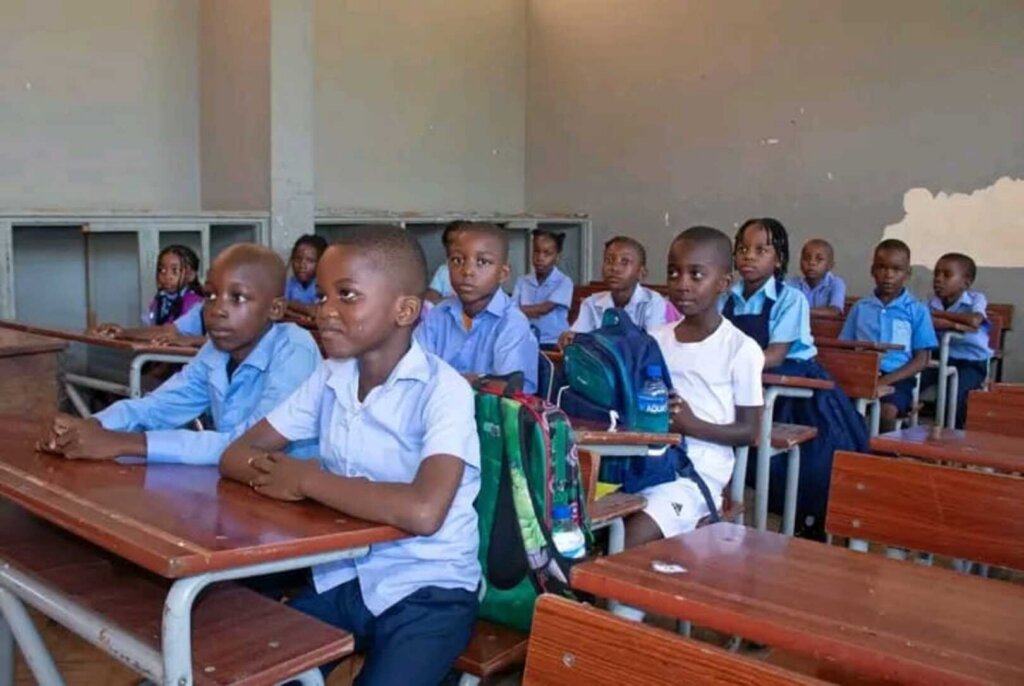
Mozambique’s education sector has significantly progressed in early childhood education, benefitting 148,535 children, as reported by the Minister of Education and Culture during a presentation at UNESCO in Paris on 20 November 2026. This figure includes 83,535 children aged three to five years involved in the Comprehensive Child Development Programme and 65,000 children enrolled in the School Readiness Programme.
The ministry highlighted notable achievements, including the establishment of 350 community preschools and the training of approximately 1,500 facilitators. This progress was detailed in a report produced by the Ministry of Education and Culture’s Communication and Image Office.
Despite these advances, challenges in preschool education persist. In 2019, the coverage for early childhood education was below 4%, falling short of the 12% target set for 2024. Moreover, only around 1% of the education budget is allocated to preschool initiatives.
To address these limitations, the ministry has outlined future priorities that remain unfulfilled despite previous efforts. Upcoming strategies aim to expand pre-primary education for children aged five to six years, replace the current two-month readiness programme with a year-long cycle attached to primary schools, and emphasise rural areas and vulnerable children.
The strategy also identifies four key focus areas to guide expansion: the training of educators, inclusion, infrastructure development such as preschools and suitable learning spaces, and sustainable financing.