
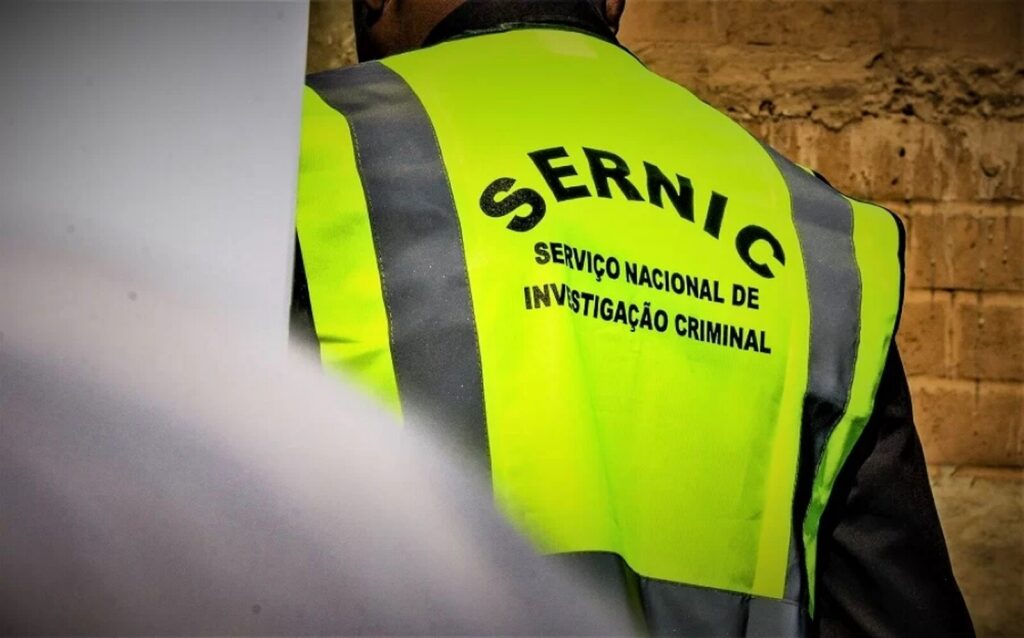
The Attorney General of Mozambique, Américo Letela, has called for strengthened internal control mechanisms and accountability for members of the National Criminal Investigation Service (SERNIC) involved in illicit practices. Speaking on Wednesday in Maputo at the opening of the institution’s Coordinating Council, Letela emphasised that the misuse of state resources and authority to benefit criminal organisations will not be tolerated.
Letela asserted that SERNIC must not serve as a shield for individuals engaged in criminal activities, highlighting that the integrity of its members is essential for ensuring the credibility of investigations. He stated, “We will not protect deviant behaviour, we will not tolerate the instrumentalisation of the institution for criminal purposes, and we will not hesitate to implement legally established measures whenever the facts warrant it.”
Describing the involvement of investigators in criminal schemes as particularly serious, he underlined the gravity of using classified information, resources, and knowledge acquired through their roles to shield suspects or obstruct the work of law enforcement. “A member who uses their position to protect criminals, facilitate illicit activities, share confidential information, or hinder investigations not only betrays their professional duties but also the institutional mission they have sworn to uphold before the state and society,” he remarked.
In addressing the fight against organised and transnational crime, Letela identified kidnappings, drug trafficking, and money laundering as areas that require enhanced investigative capacity. He argued that SERNIC should focus on identifying not just the perpetrators, but also the masterminds, financiers, and facilitators of criminal networks.
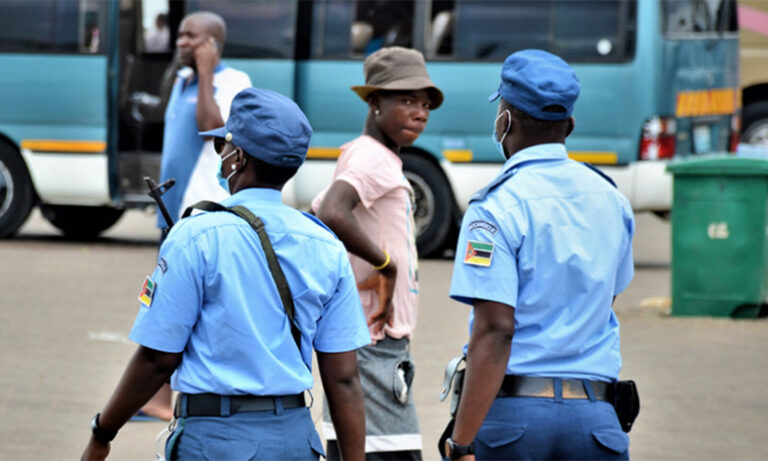
The issue of corruption within road traffic law enforcement was also highlighted. Letela warned that accepting bribes to overlook infractions or allow vehicles unfit for the road can result in accidents and endanger lives. “Corruption in the roadway sector should not be viewed as a minor irregularity nor as socially tolerable behaviour,” he cautioned, urging SERNIC to improve coordination with the Public Prosecution Service and relevant traffic oversight entities.
He also called for increased vigilance and operational readiness as the year-end festive season approaches, advocating for the updating of security plans and the enhancement of information flow between central and provincial units.
Acknowledging the existing limitations in resources—material, technological, financial, and human—Letela welcomed the government’s increase in operational funding. However, he stressed that these resources should be used transparently and geared towards achieving concrete outcomes. “Operational funds must not be viewed merely as a financial top-up, but as tools at the disposal of criminal investigation to yield measurable and socially significant results,” he asserted.
Letela addressed the need to revise the statute governing SERNIC members and to hire new agents, asserting that an increase in personnel must be accompanied by ongoing training, discipline, and professional integrity. The Coordinating Council is expected to generate specific guidance aimed at enhancing criminal investigative capacity, reinforcing institutional collaboration, and elevating the accountability standards for SERNIC leaders and members.