
Mozambique will mark a decade of armed conflict in Cabo Delgado in October 2027, with the ongoing insurgency continuing to disrupt the lives of local populations. Many are faced with the constant threat of attacks, forced displacements, loss of family and property, and the destruction of communities amid growing uncertainties for the future.
Despite military operations and recovery efforts in affected areas, thousands of families struggle to rebuild their lives and secure safety and stability. This enduring conflict has compounded the vulnerabilities of local communities, maintaining a cycle of fear and hardship.
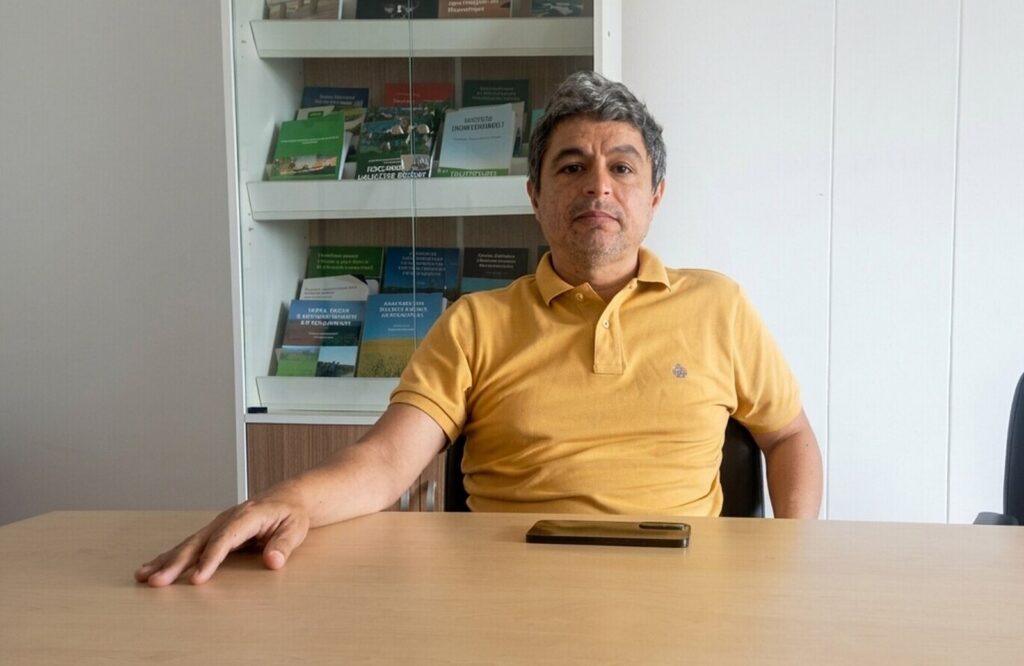
In an interview, João Feijó, a researcher at the Rural Environment Observatory (OMR), discusses the progression of the insurgency in Cabo Delgado, its social, economic, and humanitarian impacts on the populace, and the daily uncertainties faced by those living under the persistent threat of violence.
Feijó reflects on the past decade of terrorism in Mozambique, particularly in the northern region. He questions the terminology used by the government, which only recently adopted the term “terrorism” instead of describing the situation as mere banditry. Feijó expresses doubt that the label accurately captures the complexities of the conflict, noting that both insurgents and local forces instil fear among the population.
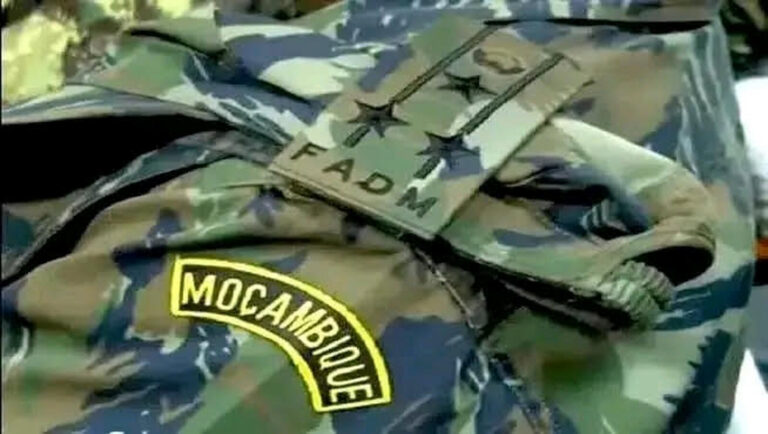
“Children scream and run when they see Mozambican troops passing by. There is significant distrust, and numerous human rights violations by the Mozambican military have been documented, although these allegations are denied by the government,” he says. Reportedly, the local population perceives the armed forces less as protectors and more as a source of terror.
He further elaborates on how insurgents reportedly provide social assistance to the disadvantaged, suggesting a level of local support for their activities. “It would be extremely naïve to believe that the group has survived for nearly ten years without backing from the local population,” he asserts. According to Feijó, the insurgents exploit fear and offer benefits to gain the allegiance of community members, some of whom have family ties to the insurgents or share grievances against the central government.
On the notion of complicity, he confirms the existence of local support for the insurgents, illustrating this through a past incident in Mocímboa da Praia, where some locals who could not escape received food and assistance from the attackers.
Misinformation and propaganda complicate perceptions on both sides; each claims to be the hero in a narrative framed by moral absolutes. “In war, there are no simple distinctions between good and evil; terror is a politically charged term employed by the government to legitimise its position,” he remarks.
Feijó observes the growing frustration among the local population towards the government’s handling of security, pointing to a lack of access to justice, inclusive political participation, and rampant inequalities as sources of discontent. This pervasive dissatisfaction often leads communities to seek support from insurgents rather than the state.
As the insurgency has evolved over its ten-year course, Feijó outlines its characteristics in phases, from initial small-scale attacks to the reinforcement of ties with international jihadist networks, marking a shift in capability and audacity. This transition culminated in significant assaults on administrative centers and, ultimately, attacks in places like Palma, which prompted increased international military intervention.
He describes a potential fourth phase, during which the insurgents have adapted tactics to focus on “hearts and minds,” portraying themselves as protectors of the local people by providing aid and addressing grievances against government forces. This shift complicates the narrative for the Mozambican government, which must contend with an adversary that now adopts a more socially conscious approach in its operations.
“When examining solutions to this enduring conflict, the obstacles seem daunting. The crisis over control of resources and political power remains a significant barrier for any negotiations between the state and the insurgents. The government continues to resist changes that would decentralise power, which the insurgents demand,” Feijó states.
He concludes with a somber reflection on the state of affairs, noting that the fight against terrorism has diminished in urgency among broader political interests. “The ongoing violence appears contained to regions lacking major economic projects, leading to a perception of ‘normalcy’ despite grave humanitarian implications for local communities,” he adds, underscoring the disconnect between governmental assurances of improved security and reports of ongoing civilian abductions and hardships.
According to Feijó, it is vital to recognise that while poverty certainly contributes to the insurgency, it is not the sole factor. A multifaceted approach addressing ethnic tensions, inequality, and political discourse is crucial if lasting solutions are to be achieved. However, he sceptically asserts that the current trajectory of development initiatives in Cabo Delgado is insufficient to meet the profound needs of its people, with the majority of programme funding failing to translate into tangible support on the ground.